NVIDIA RTX Spark Laptop Platform In-Depth: Architecture, Reviews & Buyer Guide
Comprehensive analysis of NVIDIA's 2026 RTX Spark platform. Synthesizing reviews from Taiwan/China, Japan, and the US, comparing RTX 5070 performance, 87% game compatibility, and foolproof buyer guide.
Executive Summary: An Architectural Revolution Born for On-Device AI and Next-Gen Creators
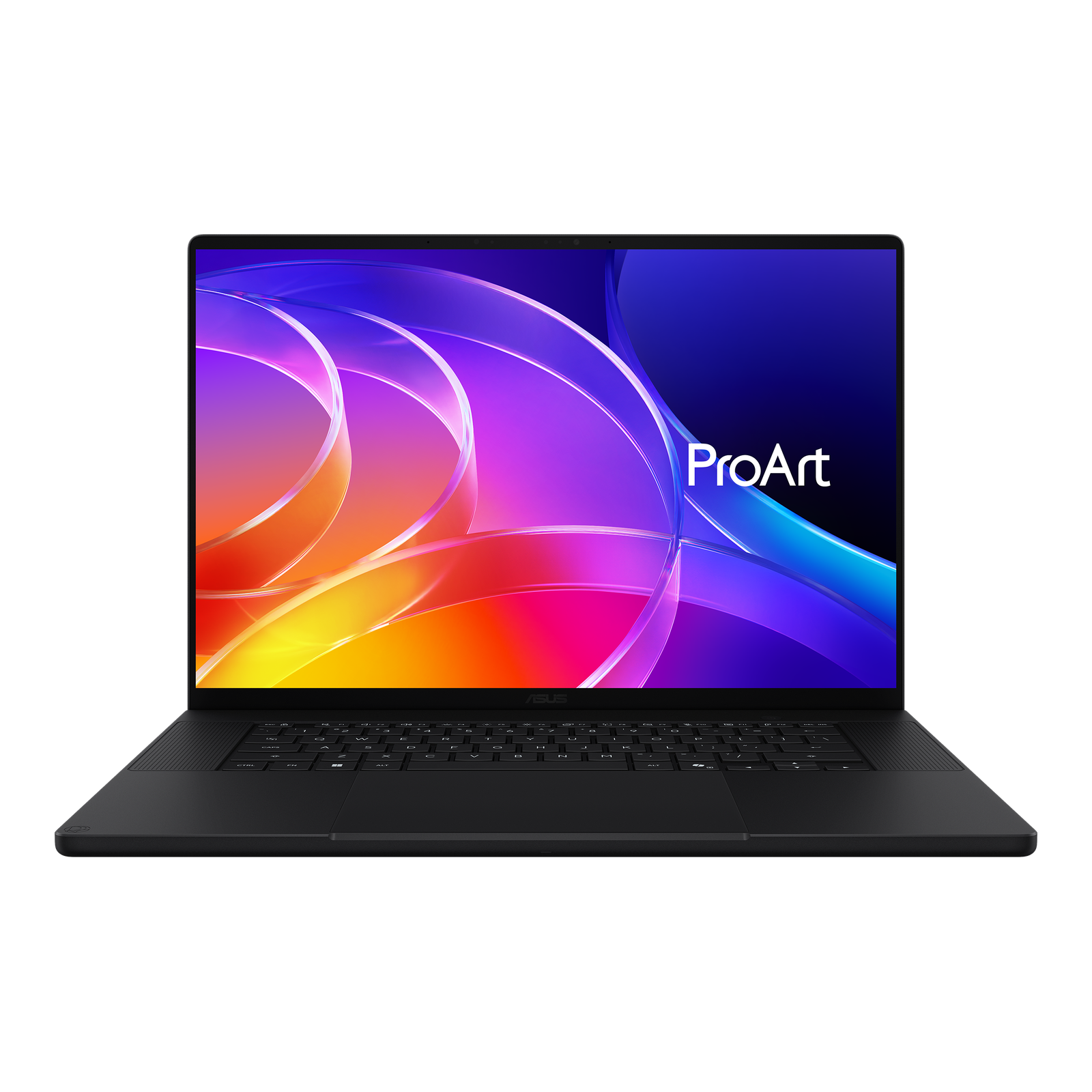
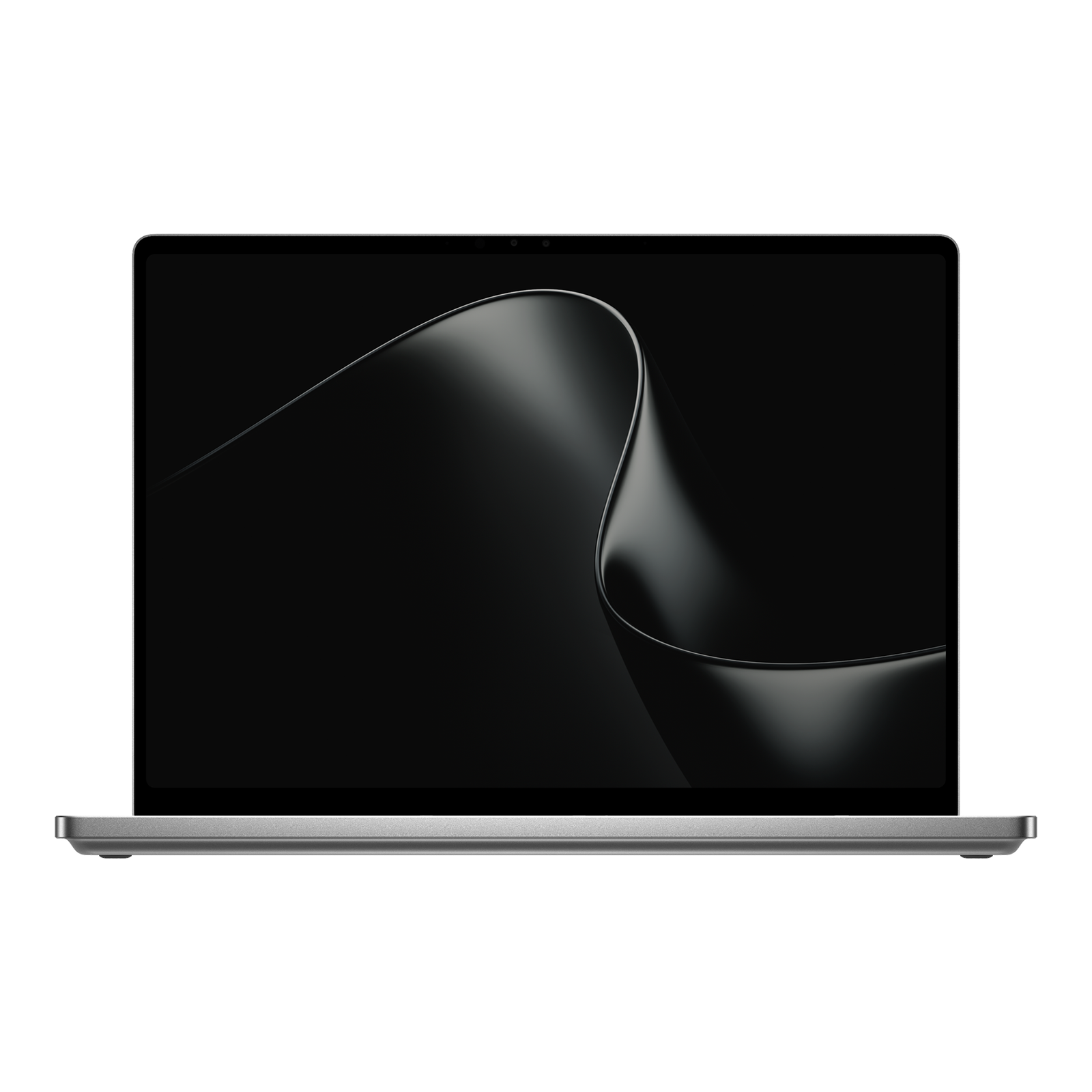
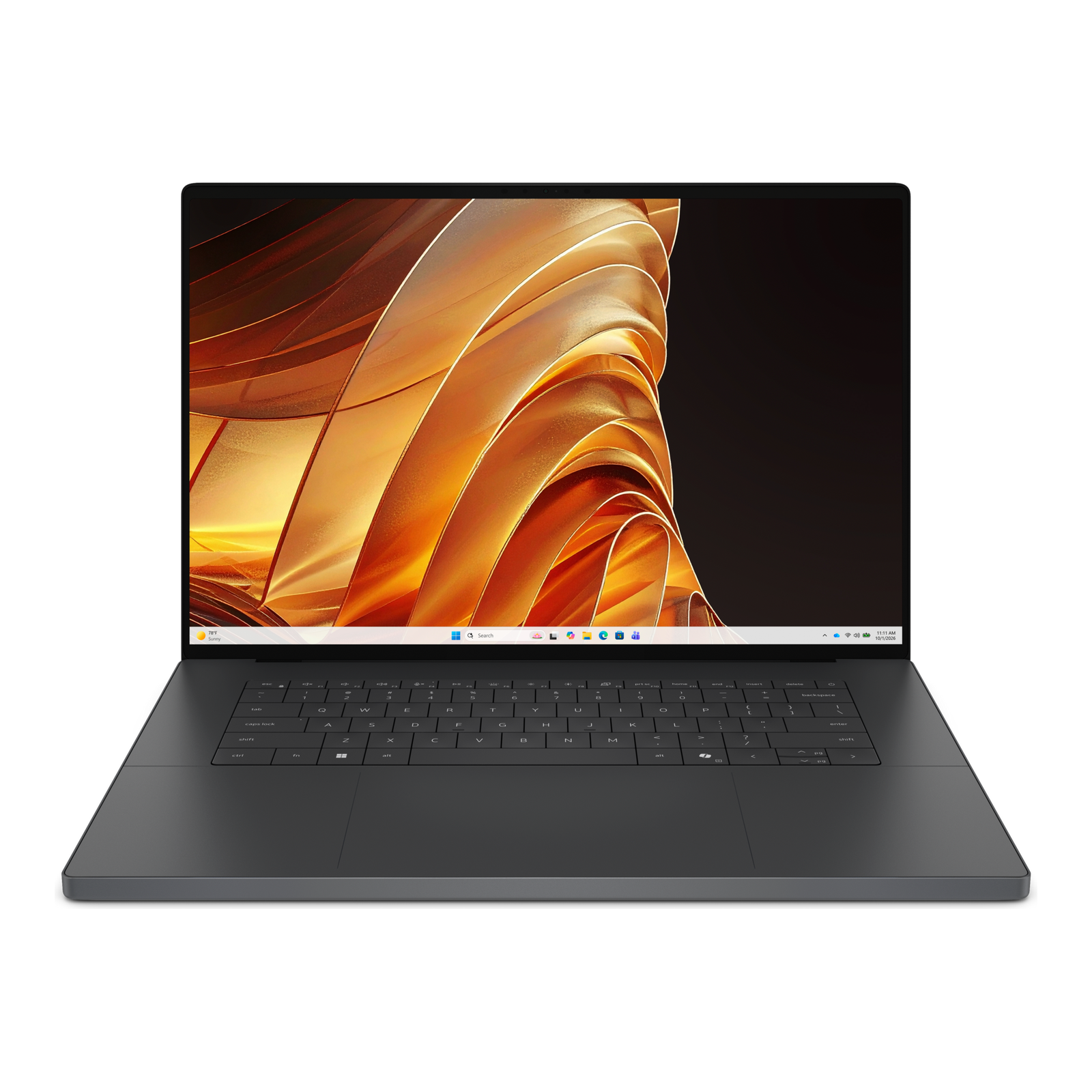
In 2026, the personal computing landscape arrived at its most consequential architectural inflection point in a decade: NVIDIA officially announced the RTX Spark laptop platform (featuring RTX Spark N1 and the flagship N1X), debuted by ASUS (ProArt P16), Microsoft (Surface Laptop Ultra 15"), and Dell (XPS 16).
Across comprehensive hands-on benchmarks from leading global tech media and evaluation labs across three major tech regions—Greater China & Taiwan (Huan, Geekerwan, Notebook Review Lab), Japan (PC Watch, Yoshida Seisakusho, Kazu Channel), and the United States (Dave2D, Linus Tech Tips, The Verge, Jarrod's Tech, The Tech Chap)—the consensus is clear:
"RTX Spark is not an iterative clock boost. It is the first unified platform in Windows history to fundamentally dismantle conventional PC bottlenecks in energy efficiency, off-charger battery performance, and massive unified VRAM capacity, surpassing even Apple Silicon."
- Quick Buyer Verdict:
- Strongly Recommended: AI developers running 70B+ LLMs locally, 8K multi-stream RAW video editors, 3D artists, and executive frequent travelers seeking whisper-quiet operation without bulky power bricks.
- Approach with Caution: Pure gamers (especially those focused on online esports with legacy kernel-level anti-cheat), or budget-conscious buyers seeking maximum raw gaming frames per dollar under $2,000.
1. RTX Spark vs. Traditional Laptop Architecture (x86 + PCIe dGPU)
Conventional high-performance laptops operate as modular compromises: an x86 CPU paired across a narrow PCIe bus with a discrete NVIDIA GPU. RTX Spark replaces this with an ultra-high-bandwidth Unified SoC Architecture:
- Arm Grace CPU + Blackwell GPU Co-packaged: Connected by an on-die micro-NVLink bus exceeding 900 GB/s.
- Up to 128GB LPDDR5X Unified Memory (UMA): The entire memory pool is dynamically addressable by the GPU as VRAM, eliminating out-of-memory crashes forever.
- 1 Petaflop of On-Device AI Compute: Instant local inference for 70B parameter models.
- 80W–115W System TGP: Half the thermal footprint of traditional 175W–230W dual-chip systems.
- Off-Charger Performance Retention: Drops only 5%–10% on battery, with 12–16 hours of real-world productivity.
2. Performance Tier: RTX Spark N1X vs. RTX 5070 Laptop GPU
In rasterization performance, RTX Spark N1X directly targets the mainstream high-end GeForce RTX 5070 Laptop GPU (115W–140W):
- 3DMark Time Spy Graphics: ~17,000 points (matches RTX 5070 Laptop within 3%).
- 3DMark Steel Nomad: ~4,120 points (slightly edges out 5070).
- VRAM Advantage: 5070 is limited to 8GB or 12GB GDDR7 (choking on 4K ultra textures or 70B LLMs), while Spark provides 64GB–128GB unified memory.
- Battery Gaming: Spark maintains 72–85 fps in modern 3A titles on battery, whereas the 5070 throttles by 60% down to 28–35 fps.
3. Gaming Reality: Windows on Arm Compatibility in 2026
- Steam Top 1,000 Games: 87% overall playable compatibility.
- Native Arm64 (15%): Microsoft first-party titles, Unreal Engine 5.4+, and Unity 2026 modern releases.
- Prism Translation (72%): Flawless translation for DX11, DX12, and Vulkan single-player titles (e.g., Black Myth: Wukong, Cyberpunk 2077, Elden Ring) with only 5%–8% overhead.
- Incompatible / Blocked (8%–13%): Blocked solely by legacy kernel-level anti-cheat drivers (e.g., certain Valorant and Apex builds) awaiting Arm64 driver updates.
4. Balanced Perspectives Across Taiwan/China, Japan, and the US
To provide balanced insights across different tech cultures and regional markets, we synthesized reviews from three major tech regions:
Taiwan & Greater China
- Huan (Top Taiwanese Tech Creator): Tested real-world commuter thermals on Taiwan High-Speed Rail (THSR). Confirmed lap-friendly thermals without heat build-up, but noted regional price premiums and compatibility checks for legacy local enterprise peripherals.
- Geekerwan (極客灣): Deep microarchitectural dissection confirming >900 GB/s on-die micro-NVLink interconnect bandwidth and an exceptionally steep efficiency curve delivering 80% performance at just 35W.
- Notebook Review Lab (筆吧評測室): Dual-stress thermal benchmarking proving full performance sustained with surface temps under 39°C and acoustic noise 15dB lower than traditional gaming laptops.
Japan
- PC Watch (Impress Watch): Evaluated whisper-quiet acoustic requirements for Japanese open offices and Shinkansen bullet trains, confirming silent profile operation, zero-latency Japanese IME input, and robust JIS keyboard engineering.
- Yoshida Seisakusho (吉田製作所): Hardcore teardown and price-to-performance critique, evaluating whether 400,000–600,000 JPY is justified for salarymen and highlighting non-expandable soldered memory.
- Kazu Channel / Gadget Pouch: Travel vlog and mobile creator tests confirming 14-hour real battery life and the immense convenience of charging with a compact 100W GaN PD charger instead of a heavy proprietary power brick.
United States & Global
- The Verge: Hailed RTX Spark as Windows on Arm's defining watershed moment, establishing a genuine competitive counterweight to Apple Silicon in the generative AI era.
- Dave2D: Awarded the platform the title of the first true "MacBook Pro equivalent in the Windows world," emphasizing thermal balance, build quality, and acoustic refinement.
- Linus Tech Tips (LTT): Verified local 70B LLM inference at 22+ tokens/second, praising 128GB UMA while warning gamers about anti-cheat driver boundaries.
- Jarrod's Tech: Conducted 30+ 3A game benchmarks comparing plugged vs. battery fps against the RTX 5070 Laptop GPU.
- The Tech Chap: Tested DaVinci Resolve 8K ProRes RAW multi-stream workflows, celebrating the total elimination of GPU Memory Full errors.
5. Foolproof Buyer Decision Tree
6. References & Sources (Citations & Regional Creator Attributions)
Official Manufacturer Whitepapers & Technical Documentation
- NVIDIA: NVIDIA RTX Spark Platform SoC Architecture & Blackwell Tensor Architecture Whitepaper (2026)
- Microsoft Learn: Windows on Arm Application and Game Compatibility Guide & Prism Emulation Performance Architecture (Oct 2026)
- ASUS: ASUS ProArt P16 (2026, H7607BA) Technical Reference Manual
- Microsoft Surface: Surface Laptop Ultra (15-inch, RTX Spark Edition) Hardware Specification
- Dell Technologies: Dell XPS 16 (2026, RTX Spark N1X) Specification Sheet
Regional Reviewers & Media Citations
- Taiwan & Greater China: Huan (YouTube), Geekerwan (Bilibili/YouTube), Notebook Review Lab (筆吧評測室).
- Japan: PC Watch (Impress Watch), Yoshida Seisakusho (吉田製作所), Kazu Channel (カズチャンネル).
- United States & Global: The Verge, Dave2D, Linus Tech Tips, Jarrod's Tech, The Tech Chap.
Benchmark Suites & Databases
- UL Solutions: 3DMark Time Spy & Steel Nomad Cross-Platform Database.
- ProtonDB / Windows on Arm Ready Index (Oct 2026): Steam Top 1,000 compatibility metrics.